Kalari chikitsa
It developed alongside Kalaripayattu to help prevent injuries, support recovery, and improve the fighting skills of its warriors.
It continues today as a traditional approach for supporting modern aches, pains and injuries.
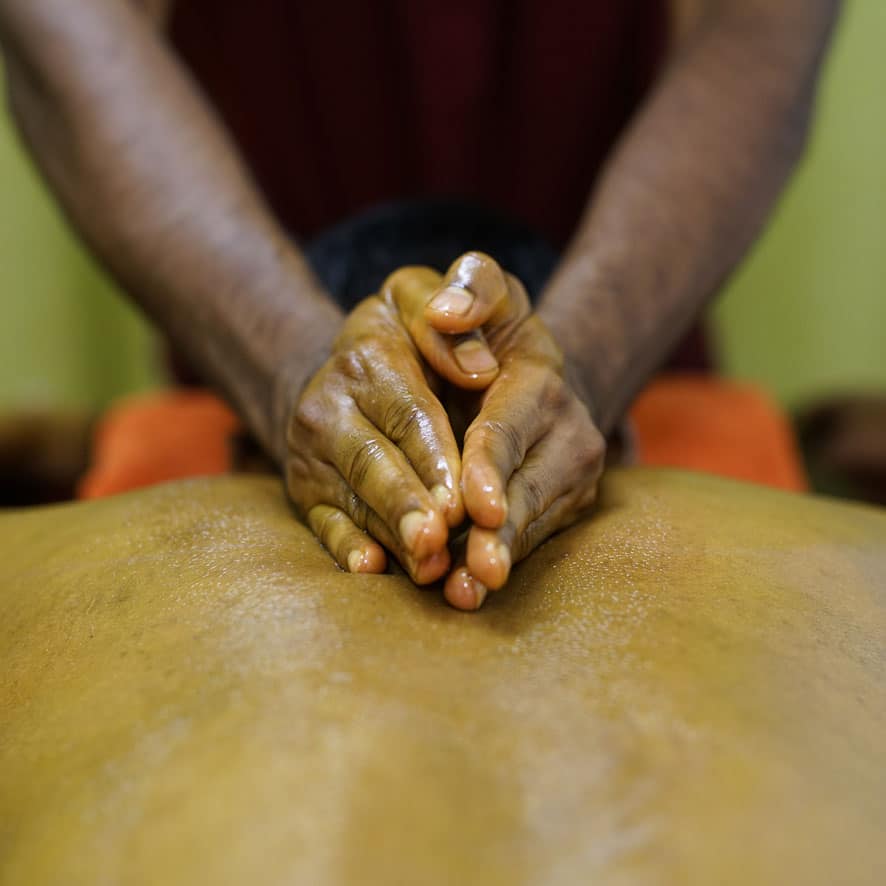
What is Kalari chikitsa?
Kalari chikitsa is related to Ayurveda and Siddhavaidya, two larger traditional Indian medicine systems. They share a similar philosophy and approach. However, Kalari chikitsa has its own distinctive practices, treatments, and medicines within the Kalaripayattu tradition.
- Treat injuries from rigorous training or combat
- Address conditions affecting performance
- Help prevent injuries and prepare for training or combat
- Improve skills by increasing strength and regimens flexibility
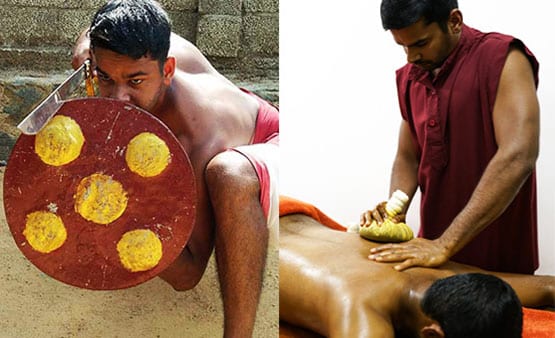
Warrior healer
A distinctive feature of these treatments is that they are traditionally practised within the Kalaripayattu lineage by masters (Gurukkals) and their senior students. In this warrior tradition, the martial and healing arts are inseparable.
A traditional Indian sports medicine
Today, these treatments continue within Kalaripayattu training and can also suit people whose movement is limited by pain, stiffness, or restrictions, as well as those who are active and want to maintain mobility and resilience.
Treatments for injury prevention and performance enhancement
Warriors followed rigorous training regimens to prepare for battle. Injury prevention was crucial, as performance could determine survival.
Today, for martial artists, athletes, active people, and anyone rebuilding strength and movement, injury prevention and recovery support are still important. The less time spent limited by pain or injury, the more time you can spend moving, training and living well.
Kalari chikitsa is used to support strength, flexibility and mobility, helping the body manage physical demands and recover more effectively.
Treatments for sports injuries, chronic pain and movement dysfunctions
Kalari chikitsa developed methods to treat injuries from training and combat, and to support pain and restrictions that affected movement and performance.
The goal of warriors then, and the goal of many people now, is to return to comfortable movement and physical activity as soon as possible.
Treatments first aim to relieve pain, then support improved mobility and function, with the long-term goal of reducing the risk of recurring issues.
Kalari massage
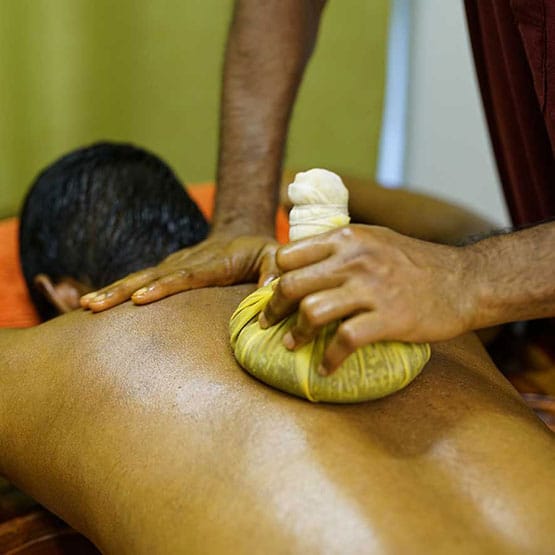
Kalari marma massage
Recommended for
- Sports injuries
- Musculoskeletal injuries and imbalances
- Muscle and joint pain, stiffness or deep-seated tension
- Back, neck, shoulder and knee pain
- Restricted range of motion
- Frozen shoulder
- Sciatica
- Arthritis
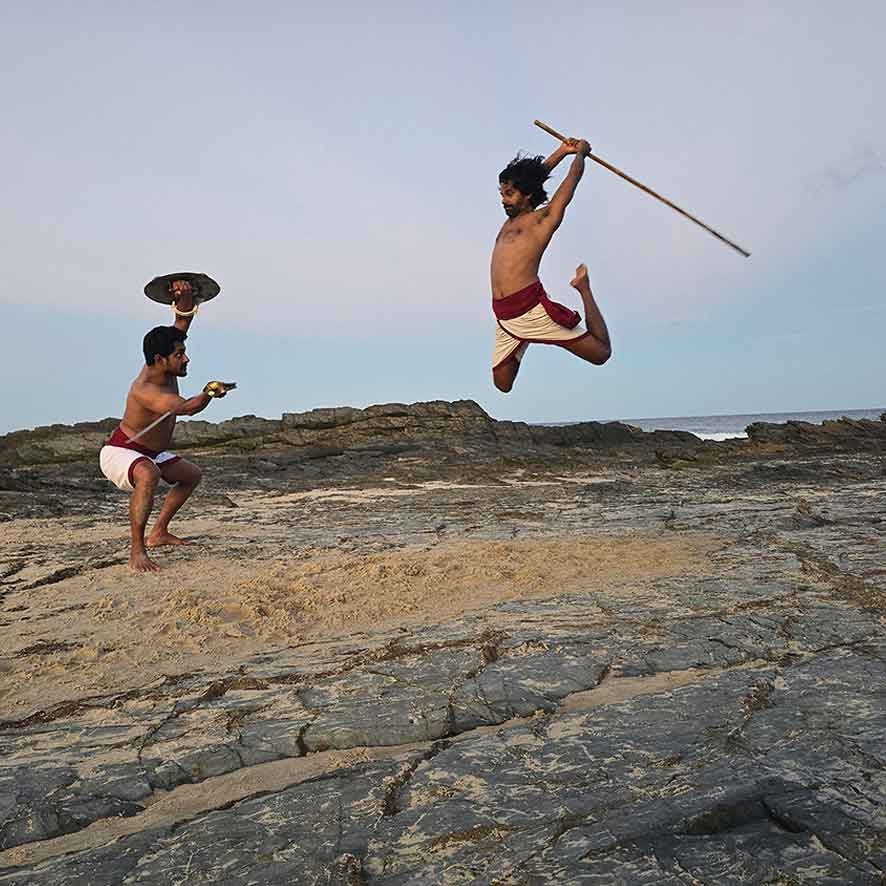
Kalaripayattu training
Kalaripayattu is the traditional martial art of Kerala. Master Biju Nair teaches at our school, Australian School of Kalaripayattu.
Kalaripayattu develops the body and mind through a powerful flowing practice. It is a comprehensive system that was originally designed to create an expert warrior.
More about Kalari chikitsa
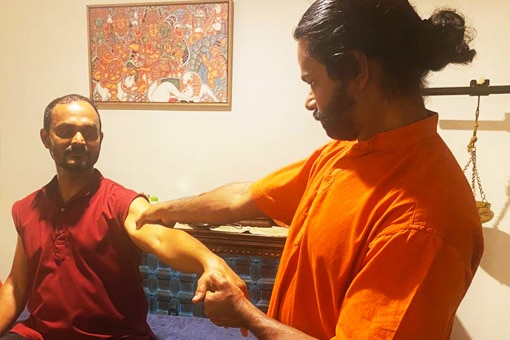
Marma therapy
Marma applications are an important part of our Kalari treatments for injuries and pain-related conditions. Our method of marma applications comes from Kerala’s Kalaripayattu tradition.
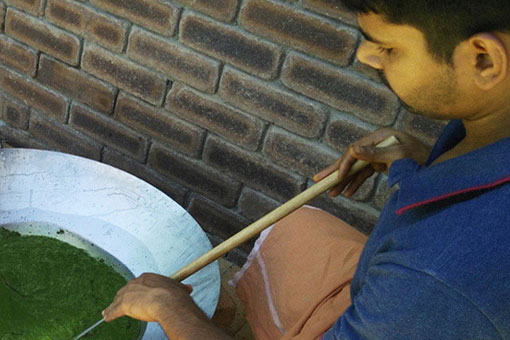
Why traditional medicine making is part of Kalaripayattu training
Herbal medicine has always been a part of Kalaripayattu, the traditional martial art of Kerala. For a Kalaripayattu student, traditional medicine making is an integral element of their physical and mental training.
- 0424 939 130
- Book online
- 30-32 Nandala Drive, Tanah Merah, Queensland
- info@kalariayurveda.com.au